
Quanta Computer v. LG Electronics: Patent Exhaustion Reaches Method Claims and Component Sales
A unanimous Supreme Court held that method patents are subject to exhaustion and that an authorized sale of components substantially embodying a patent ends the patentee's rights.
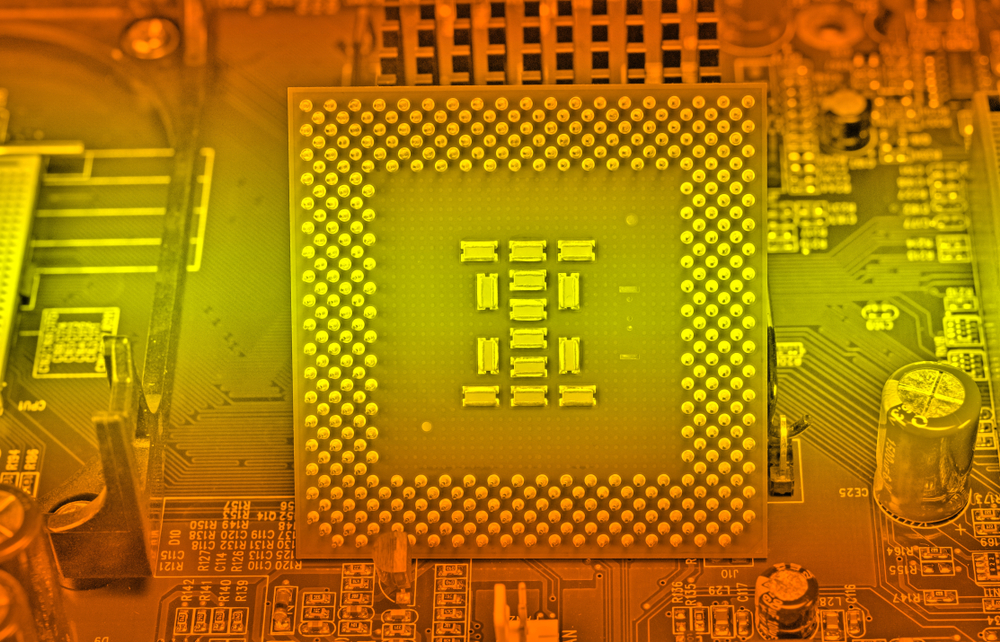
Quanta Computer, Inc. v. LG Electronics, Inc., 553 U.S. 617 (2008), Docket No. 06-937, decided June 9, 2008, revived and sharpened one of patent law’s oldest limits: the exhaustion doctrine. Writing for a unanimous Court, Justice Thomas held that the doctrine applies to method (process) patents as well as product patents, and that an authorized sale of a component that “substantially embodies” a patented invention exhausts the patentee’s rights. That is true even where the component itself does not fully practice every claim. Because LG Electronics had licensed Intel to make and sell microprocessors and chipsets that could only be used to practice LG’s patents, Intel’s authorized sale to Quanta ended LG’s ability to sue Quanta for combining those parts into computers. The decision reaffirmed that patent rights are spent by the first authorized sale, and it curtailed the practice of using post-sale notices and clever claim drafting to extend the patent monopoly down the distribution chain.
At a glance
- Case: Quanta Computer, Inc. v. LG Electronics, Inc., 553 U.S. 617 (2008), Docket No. 06-937
- Court: Supreme Court of the United States, on certiorari to the Court of Appeals for the Federal Circuit
- Decided: June 9, 2008 (argued January 16, 2008); unanimous
- Opinion: Justice Thomas, for a unanimous Court
- Subject matter: Patent exhaustion (first-sale doctrine) as applied to method claims and to component sales that substantially embody the invention
- Holding: The authorized sale of a product that substantially embodies a patent (one whose only reasonable and intended use is to practice the patent) exhausts the patentee’s rights, including as to method claims
The license, the sale, and the split below
LG Electronics owned a portfolio of patents (the “LGE Patents”) covering methods and systems for managing data traffic between a computer’s microprocessor, memory, and buses. LG licensed those patents to Intel under two documents. A broad License Agreement authorized Intel to make and sell microprocessors and chipsets practicing the LGE Patents. A separate Master Agreement required Intel to give its own customers written notice that the license did not extend to products made by combining an Intel component with non-Intel components. Crucially, the Master Agreement also provided that a breach of that notice requirement would not affect the license granted to Intel.
Quanta Computer and other manufacturers bought Intel microprocessors and chipsets and then built them into computers, combining the Intel parts with non-Intel memory and buses in exactly the way LG’s patents described. LG sued Quanta for infringement, arguing that although Intel’s sale was authorized, the notice given to Quanta meant Quanta never received a license to complete the invention. The district court held that exhaustion applied to LG’s product claims but not to its method claims. The Federal Circuit went further for LG: it held that exhaustion did not apply at all, both because method claims are not subject to exhaustion and because the sale had been made under conditions. The Supreme Court granted certiorari and reversed.
Method patents are subject to exhaustion
The Court first rejected the notion that method or process patents lie outside the exhaustion doctrine. LG argued that a method is not embodied in any single article, so a sale of hardware could never exhaust a claim to a process. Justice Thomas found that logic self-defeating. If method claims were categorically immune, “a patent drafter could shield practically any patented item from exhaustion” simply by drafting the invention in process terms rather than as an apparatus. Because most tangible inventions can be described as a series of steps, treating method claims as exempt would let form triumph over substance and would eviscerate the doctrine.
The Court grounded this conclusion in precedent, most importantly United States v. Univis Lens Co., 316 U.S. 241 (1942). In Univis, a patentee sold unfinished lens blanks that had to be ground to become patented lenses; the Court held the sale exhausted the patent because “the authorized sale of an article which is capable of use only in practicing the patent is a relinquishment of the patent monopoly.” That principle, Thomas explained, does not depend on whether the relevant claims are labeled product or method claims. The sale of an item that can only be used to practice a patented method is just as much a surrender of the monopoly as the sale of an item that embodies a product claim.
Substantial embodiment: when a component exhausts the patent
The heart of Quanta is its adoption of a “substantial embodiment” test drawn directly from Univis. Exhaustion is triggered by the sale of a component (even an incomplete one) when two conditions are met: the component’s only reasonable and intended use is to practice the patent, and the component embodies the essential, inventive features of the patented invention so that the steps remaining to complete it are standard or conventional.
Both conditions were satisfied. The Intel microprocessors and chipsets had no reasonable noninfringing use: “LGE has suggested no reasonable use for the Intel Products other than incorporating them into computer systems that practice the LGE Patents.” A microprocessor or chipset is inert until connected to memory and buses, and once so connected it necessarily performs the patented methods. The Intel components also embodied the inventive features of the patents; the only steps left to Quanta (attaching standard memory and buses) were entirely conventional and added nothing inventive. Under Univis, that made the Intel products a substantial embodiment of the LGE Patents, so their authorized sale relinquished LG’s rights in the completed invention.
Conditions on a license versus conditions on a sale
LG’s fallback argument was that Intel’s sale to Quanta was not truly “authorized” because the Master Agreement’s notice requirement conditioned the sale. The Court drew a sharp and enduring line here. What matters for exhaustion is whether the sale itself was authorized, not whether the patentee attempted to restrict downstream use. The License Agreement placed no limit on whom Intel could sell to: “Nothing in the License Agreement restricts Intel’s right to sell its microprocessors and chipsets to purchasers who intend to combine them with non-Intel parts.” The notice provision lived in the separate Master Agreement, imposed obligations on Intel toward its customers, and expressly did not curtail the license. A breach of the notice duty would not undo Intel’s authority to sell.
Because Intel’s sales were authorized and unconditional, exhaustion attached the moment those products changed hands. As the Court put it, Intel’s authorized sale to Quanta took its products outside the scope of the patent monopoly, and LG could not reassert its patent rights against Quanta for using or combining them. The opinion carefully avoided deciding whether an express, enforceable condition placed on the sale itself could avoid exhaustion, or whether LG might still pursue a breach-of-contract remedy. It held only that the arrangement before it did not condition the sale.
Open questions
Quanta answered the method-claim and substantial-embodiment questions but left the boundaries of “conditional sales” unresolved. The Court pointedly declined to say whether a patentee can preserve its patent rights by imposing a genuine, lawful condition on the first sale, and it did not foreclose contract remedies as an alternative to infringement suits. That gap fueled a decade of licensing experimentation and lower-court disputes until the Court returned to the field in Impression Products, Inc. v. Lexmark International, Inc., 581 U.S. 360 (2017), which held that a patentee’s authorized sale exhausts patent rights regardless of any post-sale use or resale restriction, largely closing the door Quanta had left ajar. Questions remain about how far the “no reasonable noninfringing use” and “essential features” inquiries extend to multi-purpose components and modern platform technologies.
Implications
- Draft licenses to restrict the sale, not just the use. Post-sale notices and downstream use restrictions do not prevent exhaustion; only a limit on the licensee’s authority to make the sale itself has a chance of doing so, and even that is now heavily constrained after Lexmark.
- Method claims give no shelter from exhaustion. Recasting an invention as a process does not immunize it; if a sold component can only be used to practice the method, the authorized sale exhausts the method claims too.
- Watch the “substantial embodiment” line. A component exhausts a patent when its only reasonable use is to practice the invention and it carries the inventive features, leaving only conventional steps. Components with genuine noninfringing uses are less likely to trigger exhaustion.
- Consider contract remedies and licensing structure. Patentees seeking downstream control should look to enforceable contract terms and carefully structured supply relationships rather than relying on the patent right to reach past the first authorized sale.
Frequently asked questions
What is patent exhaustion? Patent exhaustion, or the first-sale doctrine, provides that the initial authorized sale of a patented item terminates the patentee’s rights in that item. The buyer and downstream purchasers may use and resell the article free of the patent, because the patentee has already received its reward from the authorized sale.
Does patent exhaustion apply to method or process patents? Yes. In Quanta the Supreme Court held that method patents are subject to exhaustion. It reasoned that allowing method claims to escape exhaustion would let a drafter shield practically any patented item simply by casting the invention in process form, undermining the doctrine.
When does selling a component exhaust a patent? When the component substantially embodies the patent: its only reasonable and intended use is to practice the patent and it embodies the invention’s essential features, so that the remaining steps are standard or conventional. An authorized sale of such a component exhausts the patent even as to method claims.
Authorities and sources
- Quanta Computer, Inc. v. LG Electronics, Inc., 553 U.S. 617 (2008), Docket No. 06-937 (argued January 16, 2008; decided June 9, 2008). Cornell Legal Information Institute (opinion of the Court).
- Syllabus confirming the docket number, argument and decision dates, the disposition (453 F.3d 1364, reversed), and that Justice Thomas delivered the opinion for a unanimous Court: Cornell Legal Information Institute (syllabus).
- United States v. Univis Lens Co., 316 U.S. 241 (1942), the source of the substantial-embodiment standard. Cornell Legal Information Institute.
- Later development of the doctrine: Impression Products, Inc. v. Lexmark International, Inc., 581 U.S. 360 (2017). Slip opinion (supremecourt.gov).