16 Casa Duse v. Merkin: The Dominant Author and Who Owns a Film
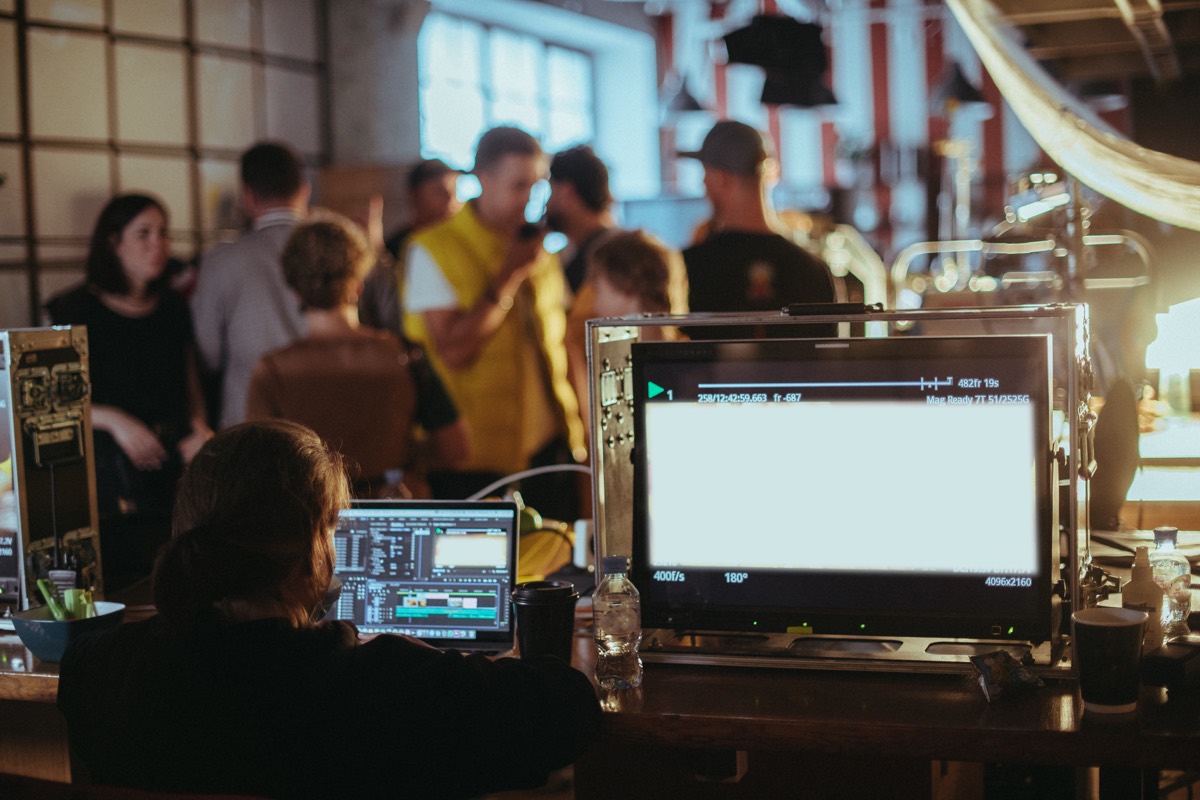
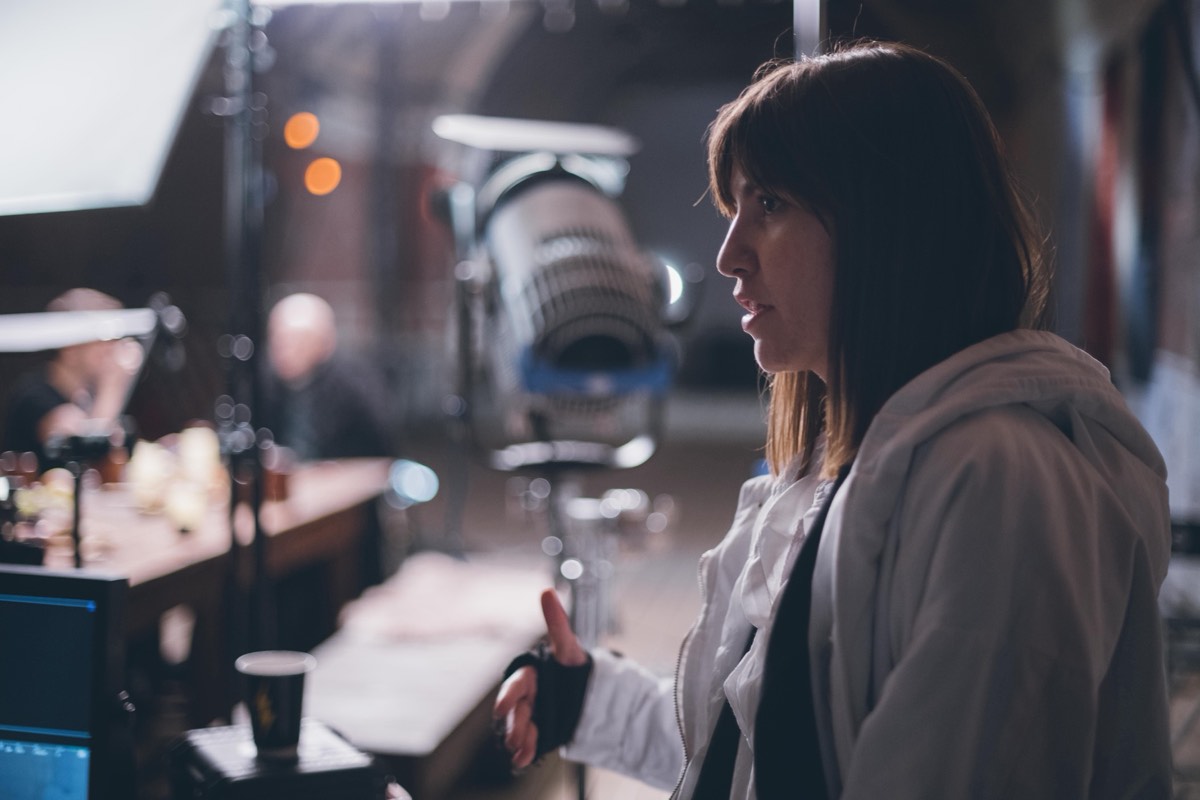
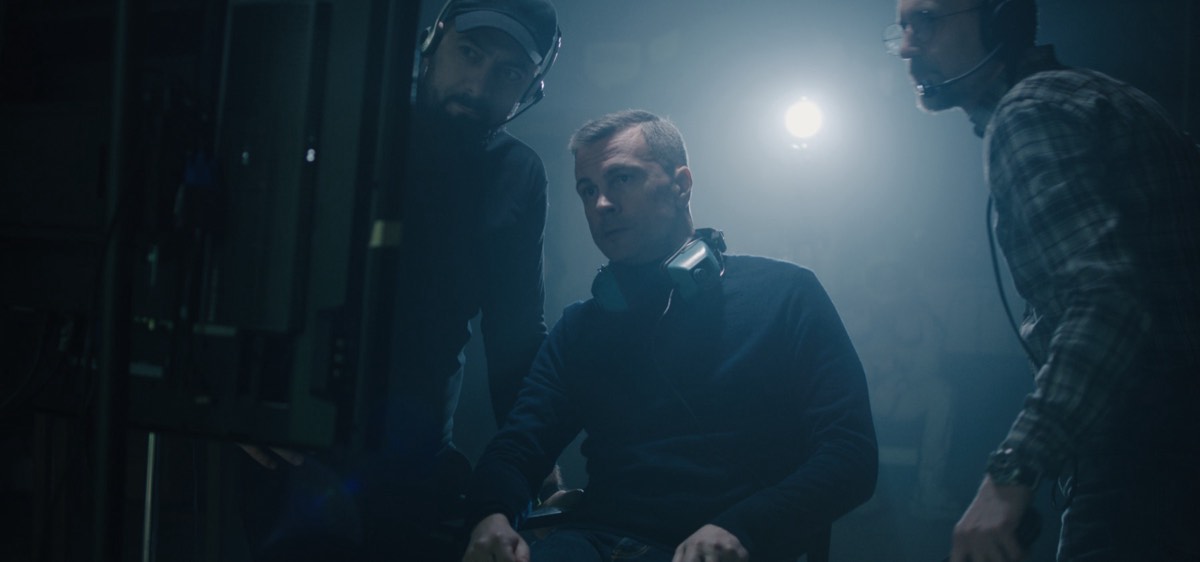
The Second Circuit held a director's contribution to a film is not its own copyrightable work; the producer, as dominant author, owns the whole picture.
Fair use, the scope of protection, and the rights of authors. Copyright doctrine tested by machine learning, mass digitization, and the music industry.
The Second Circuit held a director's contribution to a film is not its own copyrightable work; the producer, as dominant author, owns the whole picture.
The Third Circuit's 1983 ruling that object code, ROM firmware, and operating systems are copyrightable expression built the software industry's legal floor.
How the Second Circuit's 1946 split between proof of copying and improper appropriation built the framework every music infringement trial still follows.
The Ninth Circuit held Bikram Choudhury's 26-pose hot yoga Sequence is an unprotectable idea, process, or system under § 102(b), not expression or choreography.
The Second Circuit held reduced-size Grateful Dead posters in a band biography were transformative fair use, and lost license fees alone were not market harm.
In 1908 the Supreme Court held the right to vend a book ends at the first authorized sale, the origin of the first-sale doctrine now in Section 109.
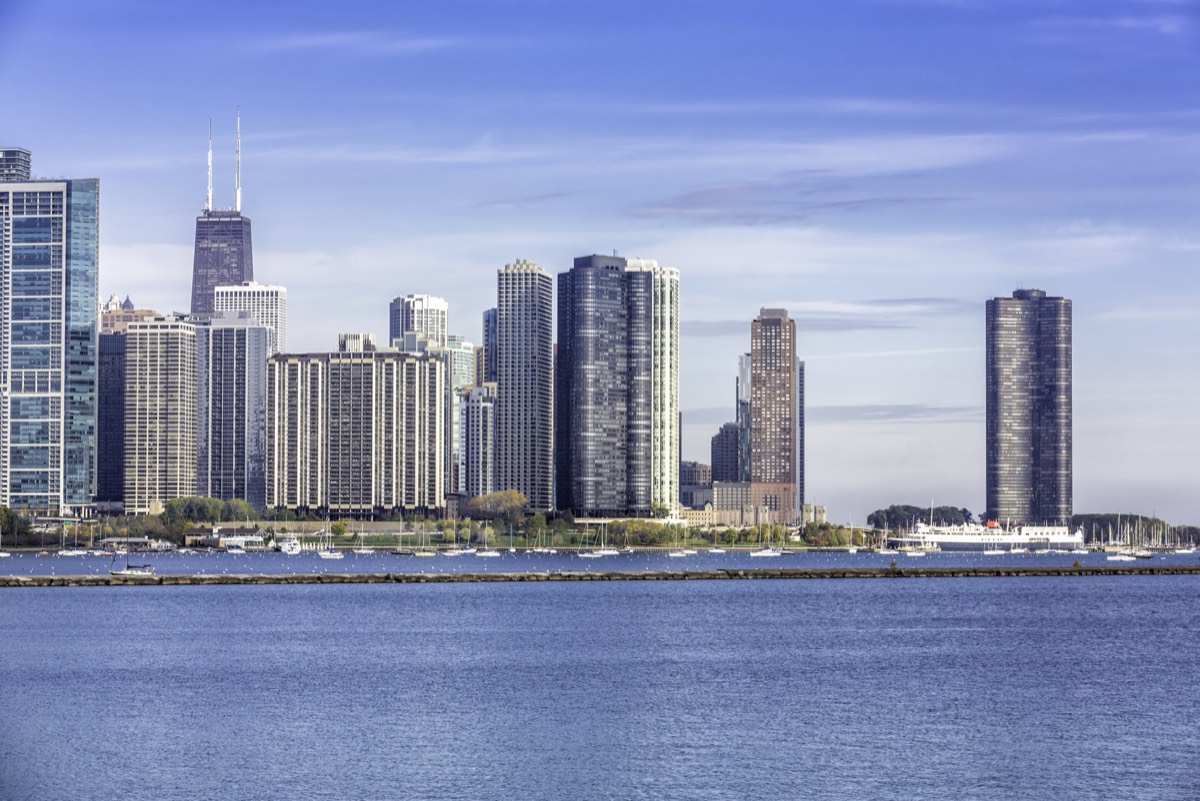
The Fourth Circuit held that a festival website's use of a photographer's cityscape photo found via Google failed all four fair use factors.
The My Sweet Lord case: George Harrison infringed He's So Fine without meaning to, because access plus substantial similarity requires no intent to copy.
The Second Circuit held the Seinfeld Aptitude Test infringed: a show's fictional facts are protected expression, and repackaging them for fans is not fair use.
The Ninth Circuit held a 1978 re-grant of Lassie rights did not extinguish the heir's Section 304(c) right to terminate her earlier 1976 assignment.
The Ninth Circuit held that delivering commissioned footage grants an implied nonexclusive license, because section 204(a) covers only ownership transfers.
The Eleventh Circuit held delivering the I Have a Dream speech was a performance, not a general publication, and reversed summary judgment against Dr. King's estate.
The English High Court held Stable Diffusion is not an infringing copy for UK secondary infringement: it stores no Getty works and training was abroad.
The Ninth Circuit held the idea of a jeweled bee pin inseparable from its expression, so copyright could not stop competitors: the canonical merger case.
The Seventh Circuit held Chapman Kelley's wildflower garden was neither authored nor fixed, so neither copyright nor VARA could protect it, however original.
The Seventh Circuit found a satirical t-shirt fair use but rejected transformativeness as the test, a critique the Supreme Court echoed in Warhol.
The Ninth Circuit held volunteer moderators may be a platform's agents, so posts they screen may fall outside DMCA 512(c)'s user-direction safe harbor.
The Tenth Circuit held Meshwerks' digital wireframe models of Toyota vehicles were unoriginal copies, not copyrightable works, applying Feist to 3D modeling.
The Third Circuit held a photographer's printed gutter credit is copyright management information, so DMCA Section 1202 reaches ordinary credits too.
The Ninth Circuit held the Beastie Boys' six-second flute sample was de minimis copying of James Newton's composition that no average audience would recognize.
The Second Circuit held that a 1994 deal superseding Steinbeck's 1938 grant left no pre-1978 grant to terminate, defeating his heirs' Section 304(d) notice.
The Ninth Circuit tied the online display right to hosting with its server test and held Google's image-search thumbnails a transformative fair use.
The Ninth Circuit held that defective DMCA notices cannot create knowledge, salacious site names are not red flags, and a tracked policy satisfies 512(i).
The Supreme Court held the first-sale doctrine limits the copyright importation right, so U.S.-made goods sold abroad may be reimported and resold freely.
The SDNY held that a grant to print, publish, and sell a work 'in book form' did not convey ebook rights, the template for every new-use licensing fight.
An SDNY judge dismissed publishers' DMCA claim over copyright info stripped for AI training: removal without dissemination is too abstract an injury.
The Supreme Court held that an infringer's profits must be apportioned so the copyright owner recovers only the share attributable to the infringed material.
The Ninth Circuit held a Section 1202(b) plaintiff must prove the defendant knew stripping copyright metadata would likely induce or conceal infringement.
The Eleventh Circuit held The Wind Done Gone was a protected parody of Gone With the Wind and vacated its injunction as an unconstitutional prior restraint.
The Second Circuit denied joint authorship to the dramaturg who shaped Rent: a copyrightable contribution means nothing without mutual intent to be co-authors.
A federal court trimmed authors' claims against OpenAI, holding that calling every ChatGPT output an infringing derivative fails to plead similarity.
The Ninth Circuit held that Bambi's 1923 German publication without notice neither injected it into the U.S. public domain nor started its copyright term.
The Eighth Circuit held studio publicity posters entered the public domain, but merchandise that evokes the Wizard of Oz film characters still infringes.
Whelan v. Jaslow (3d Cir. 1986) stretched software copyright past literal code to structure, sequence, and organization, a high-water mark Altai later curbed.
Judge Alsup held that training a large language model on books is 'exceedingly transformative' fair use, while refusing to extend that blessing to the pirated library that fed it. The $1.5 billion settlement that followed shows where the real exposure lies.
Two days after Bartz, Judge Chhabria also found AI training to be fair use, but went out of his way to say the result reflected a failure of advocacy, not a vindication of the practice. His 'market dilution' theory is the doctrine to watch.
Before the generative-AI rulings, a Delaware court rejected fair use for using copyrighted material to build an AI legal-research tool, and pointedly distinguished the software cases the technology industry had relied upon. Its reach is narrower than its reputation.
The Second Circuit affirmed that Ed Sheeran's 'Thinking Out Loud' does not infringe 'Let's Get It On,' reaffirming that a common chord progression and harmonic rhythm are not protectable, and that pre-1978 song copyrights are bounded by the deposit copy.
The Second Circuit held that scanning print books and lending the digital copies, even one-to-one, is not fair use. The decision turns on a narrowed conception of transformative use and the primacy of the licensing market.
The D.C. Circuit held that the Copyright Act requires a human author, foreclosing registration of a work generated autonomously by an AI system. The Supreme Court has now declined to disturb that conclusion.
The Supreme Court's 7-2 decision in Andy Warhol Foundation v. Goldsmith (May 18, 2023) reframed fair use's first factor, holding that a commercial use sharing the same purpose as the original photograph does not become 'transformative' merely by adding new artistic meaning.
In Tangle, Inc. v. Aritzia, Inc., the Ninth Circuit reversed a Rule 12(b)(6) dismissal, holding that the selection and arrangement of otherwise unprotectable sculptural elements can be protected and that kinetic, manipulable works are sufficiently 'fixed.'
In Hunley v. Instagram (9th Cir. 2023), the Ninth Circuit reaffirmed the Perfect 10 'server test,' holding that embedding an Instagram photo does not 'display a copy' and so cannot anchor direct or secondary infringement liability.
Inside Mechanical Licensing Collective v. Spotify, the S.D.N.Y. dispute over whether adding audiobooks turns Premium into a royalty-discounted 'bundle' under the Section 115 compulsory mechanical license.
A December 2025 summary-adjudication order in Software Freedom Conservancy v. Vizio narrows the case but leaves the central question intact: whether an ordinary purchaser can enforce open-source copyleft as a third-party beneficiary on the eve of an August 2026 trial.

In a unanimous March 2026 judgment, the Supreme Court reversed the $1 billion verdict against Cox Communications, holding that knowledge alone cannot make an internet provider a contributory infringer, reshaping how the DMCA's § 512 safe harbor matters.
Judge Rakoff let The Intercept's DMCA § 1202(b)(1) copyright-management-information claim against OpenAI survive dismissal while tossing the § 1202(b)(3) claim, splitting from Raw Story v. OpenAI on standing and reshaping CMI litigation in AI-training cases.
In Unicolors v. H&M (2022), the Supreme Court held that a copyright registration is not invalidated by an inaccuracy the applicant did not know was inaccurate, whether the error was one of fact or law.
The Second Circuit's 'Friday the 13th' ruling held that screenwriter Victor Miller was an independent contractor, not an employee, letting his § 203 termination notice stand and reclaiming the screenplay.
In Warner Chappell Music, Inc. v. Nealy (May 9, 2024), a 6-3 Supreme Court held that a copyright owner with a timely claim may recover damages for infringement no matter how long ago it occurred, while pointedly leaving the validity of the discovery rule itself undecided.
In Yonay v. Paramount, the Ninth Circuit affirmed summary judgment for Paramount over 'Top Gun: Maverick,' holding that a film sharing a real Navy program with a 1983 magazine article copies facts, not protected expression.
In Lil' Joe Records v. Wong Won (11th Cir. 2026), the court held that a 2 Live Crew member's copyright termination interest fell into his Chapter 7 bankruptcy estate, leaving the group one author short of the majority needed to reclaim five albums.
The Seventh Circuit's July 2024 decision in Motorola Solutions v. Hytera shows how the presumption against extraterritoriality and the predicate-act doctrine cabin recovery of foreign copyright damages (even amid blatant source-code theft) while the Defend Trade Secrets Act reaches worldwide sales.
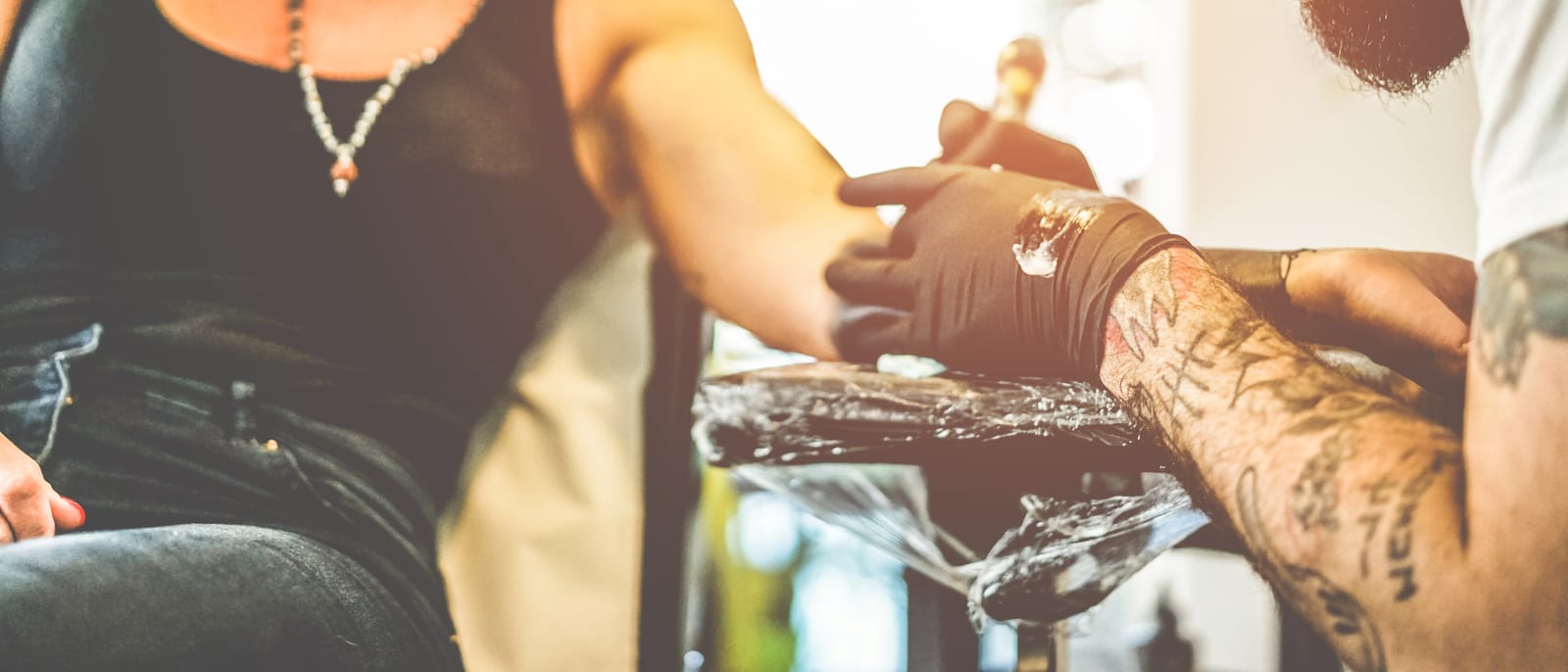
A photographer's Miles Davis portrait, a Kat Von D tattoo, and a jury verdict now headed for en banc rehearing that could remake how the Ninth Circuit measures substantial similarity.
Judge Kaplan's influential framework breaks photographic originality into rendition, timing, and composition, clarifying when one photo infringes another's protected choices.
When an author's heirs terminate a publisher's copyright grant, who collects on the records already licensed? The Supreme Court split 5-4 and let the publisher keep its cut.
The Supreme Court held that Google's copying of about 11,500 lines of Java API declaring code to build Android was a fair use as a matter of law, reshaping software copyright.
The Ninth Circuit held that a stock agency cannot manufacture standing by taking an assignment of bare infringement claims without a real interest in the copyright itself.
The Ninth Circuit threw out a $2.8 million verdict against Katy Perry, holding that the short 'Dark Horse' ostinato consists of commonplace musical elements too unoriginal for copyright protection.
The Ninth Circuit held that the de minimis exception applies to sound-recording copyrights, clearing Madonna's 'Vogue' of a sampling claim and openly splitting with the Sixth Circuit's Bridgeport rule.
The Federal Circuit held that the terms of an open-source license can be enforceable copyright conditions, not just contract covenants. Violating them can be infringement, unlocking injunctive relief.
The en banc Ninth Circuit held that authorizing inside the U.S. acts of infringement that occur entirely overseas does not state a claim under the Copyright Act, cabining the law's reach at the water's edge.
The Supreme Court held that prevailing copyright defendants and plaintiffs must be treated alike when courts award attorney's fees under Section 505: a discretionary, evenhanded standard.
The First Circuit held that copyright cannot protect sweepstakes rules where so few ways exist to state them that protecting the words would lock up the idea itself.
Judge Posner held that a writer who only supplied a name and dialogue can be a joint copyright owner of a comic character, even though someone else drew it, when their contributions merge into one work.
By a single vote, the Supreme Court held that taping a show to watch later is fair use and that selling VCRs is not contributory infringement, protecting copying technology for a generation.
The Second Circuit cleared Cablevision's remote DVR by deciding that the customer, not the cable company, makes the copy, and that fleeting buffers are not fixed copies at all.
The Fifth Circuit held that a broadband provider can be contributorily liable for ignoring 1.3 million piracy notices, then vacated the $46.7 million award over how albums are counted. The Supreme Court vacated that judgment in April 2026 after Cox v. Sony.
How the Second Circuit upheld the DMCA's anti-trafficking ban against a DeCSS publisher, holding that computer code is speech but its functional distribution can still be regulated.
How an 1884 Supreme Court case about a portrait of Oscar Wilde established that photographs can be copyrightable original works authored by the photographer's creative choices.
How the Second Circuit held that contributing ideas and research to a play does not make you a co-author without a mutual intent to share authorship.
Major labels accuse the AI music generators Suno and Udio of copying sound recordings to train their models. The pending Boston and New York cases test fair use for AI audio.
Disney and Universal accuse Midjourney of training on and generating their iconic characters. The pending C.D. Cal. case tests whether AI image output infringes famous copyrighted figures.
The Second Circuit held that ASCAP's consent decree forbids music publishers from selectively pulling their performance rights out of the collective for digital services like Pandora.
The Ninth Circuit held that a copyright owner must consider fair use in good faith before sending a DMCA takedown notice, and that failing to do so can expose the sender to liability for misrepresentation under § 512(f).
The Ninth Circuit held that Nike's iconic Michael Jordan 'Jumpman' photograph did not infringe Jacobus Rentmeester's earlier image, because copyright protects a photograph's expression of a pose, not the pose itself.
The Ninth Circuit held that a Star Trek-Seuss mashup was infringement, not parody, drawing a hard line between transformation and clever copying.
The Second Circuit held that Google's scanning of millions of books to create a searchable index and display brief snippets is a transformative, noninfringing fair use.
The Court held that Congress may extend existing and future copyright terms by 20 years under the Sonny Bono Act without violating the Copyright Clause's 'limited Times' or the First Amendment.
In Alaska Stock v. Houghton Mifflin (9th Cir. 2014), the court upheld a stock agency's database registrations that did not name every photographer or title, deferring to three decades of Copyright Office practice on registering collections.
The Second Circuit held that Jeff Koons's 'String of Puppies' sculpture infringed Art Rogers's photograph and rejected the parody defense because Koons did not target the original work itself.
Computer Associates v. Altai adapted the idea-expression dichotomy to computer programs through its abstraction-filtration-comparison test, filtering out elements dictated by efficiency, external constraints, and the public domain.
The Supreme Court held that the Seventh Amendment guarantees a jury trial on statutory copyright damages (including the amount itself), reshaping how infringement awards are decided.
The en banc Ninth Circuit rejected an actress's claim to copyright in her brief filmed performance, holding that an individual acting contribution does not create a separately ownable work.
In Georgia v. Public.Resource.Org (2020), a divided Supreme Court held that the annotations in Georgia's official annotated code are uncopyrightable government edicts because they are authored by legislators acting as legislators.
A cryptographer and a hardware hacker argued that the DMCA's anti-circumvention rules censor lawful research and tinkering; the D.C. Circuit held that § 1201 regulates conduct and survives the First Amendment.
The Second Circuit held that Jack Kirby's foundational 1958-1963 comics were works made for hire under the 1909 Act's 'instance and expense' test, defeating his children's § 304(c) termination notices.
The Supreme Court held that a copyrighted statuette does not lose protection by being mass-produced and incorporated as the base of a utilitarian lamp, laying the groundwork for the useful-articles doctrine.
The Ninth Circuit held that copying object code to study a program's unprotected functional elements can be fair use, securing reverse engineering as a tool for interoperability and competition.
The Second Circuit held that libraries' mass digitization of books for full-text search and access for the print-disabled is a transformative, noninfringing fair use.
The Second Circuit held that ReDigi's 'used' digital music marketplace necessarily made unauthorized reproductions, so the first-sale defense, which reaches only distribution, could not save it.
The D.C. Circuit held that a foreign broadcaster who directs infringing video-on-demand performances to viewers in the United States commits a domestic violation of the Copyright Act.
Judge Posner held that Sherlock Holmes and Dr. Watson, as drawn in the pre-1923 stories, are free for anyone to use, rejecting the estate's 'complex character' copyright theory.
The Supreme Court held that publishers cannot resell freelance articles to electronic databases under the Section 201(c) collective-works privilege without the authors' permission.
The en banc Ninth Circuit's decision upholding the 'Stairway to Heaven' verdict, confining old compositions to their deposit copies, and abolishing the inverse ratio rule.
The Ninth Circuit held that intermediate copying of Sony's PlayStation BIOS to reverse engineer a lawful emulator was fair use, protecting interoperability and cementing the Sega v. Accolade rule.
A unanimous Supreme Court held that distributing a device with the object of promoting its use to infringe copyright creates liability for the resulting infringement by users.
A California district court held that an internet access provider is not a direct infringer for automatically copying user postings, seeding the volitional-conduct rule and the later DMCA safe harbors.
The Ninth Circuit held that Napster was liable for contributory and vicarious copyright infringement because it knew of infringing files and could police its central index but did not.
The Supreme Court held that when an author dies before the copyright renewal term vests, his heirs' renewal rights defeat a prior grant to make and exploit a derivative work like Rear Window.
The Supreme Court held that a magazine's scoop of 300 verbatim words from Gerald Ford's unpublished memoir was not fair use, making market harm the most important factor.
The Ninth Circuit held that loading copyrighted software from disk into RAM creates a fixed copy under the Copyright Act, exposing third-party repair technicians to infringement liability.
Justice Holmes held that commercial advertising can be copyrighted and that judges must not sit as arbiters of a work's artistic merit, establishing copyright's low originality threshold.
A Southern District of New York court held that realistically depicting NBA players' tattoos in NBA 2K was non-infringing on three independent grounds: de minimis use, implied license, and fair use.
The Ninth Circuit held that Veoh's automated transcoding and playback functions fell within 'storage at the direction of a user,' and that general knowledge of infringement on a video platform does not defeat the DMCA safe harbor.
A Tennessee court found Spotify infringed Eminem's compositions by streaming them without mechanical licenses, then barred the claim entirely under equitable estoppel for the publisher's strategic delay.
The Second Circuit held that appropriation art can be transformative fair use even without commenting on the original, then left five works in doubt.
The Second Circuit held that the law of the country of origin governs copyright ownership while U.S. law governs infringement occurring on American soil.
The First Circuit held that the Lotus 1-2-3 menu command hierarchy is an uncopyrightable 'method of operation' under Section 102(b), a ruling left standing by an evenly divided Supreme Court.
The Ninth Circuit split the DMCA's anti-circumvention provisions in two, holding that § 1201(a) protects access independently of infringement, and that a World of Warcraft cheat maker violated it.
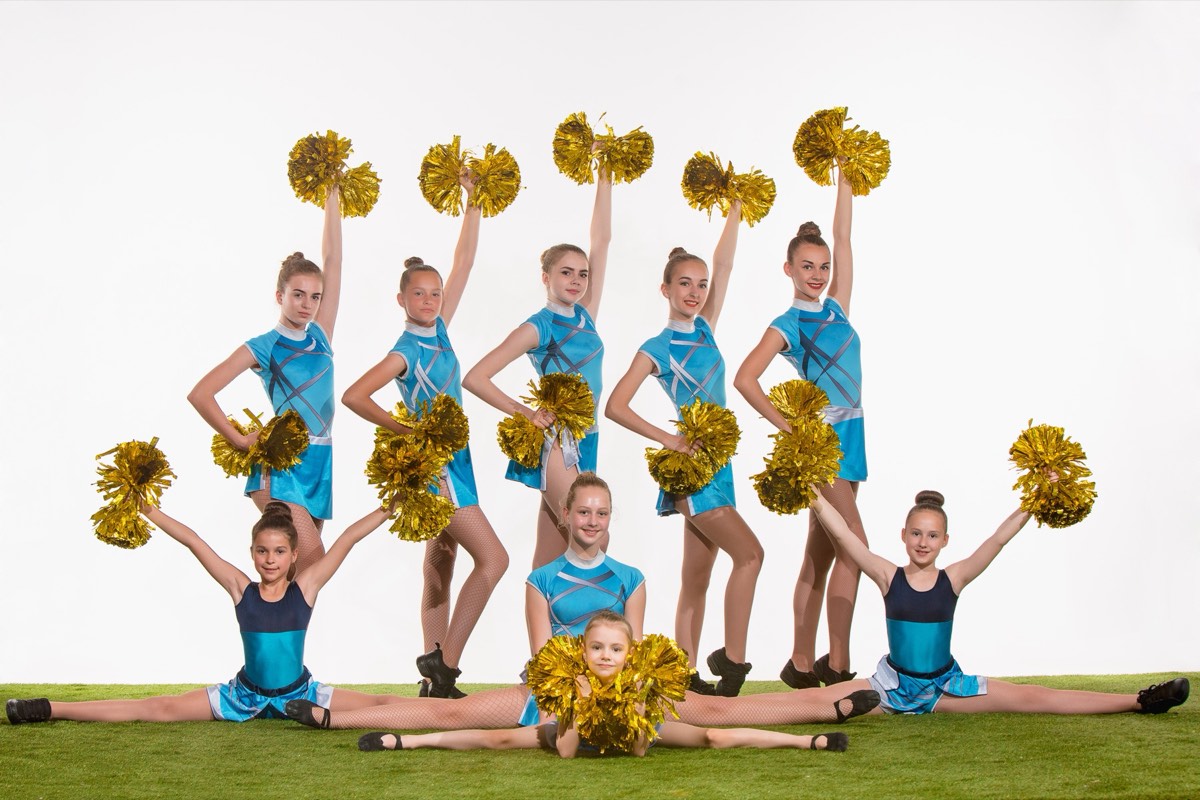
In Star Athletica v. Varsity Brands (2017), the Supreme Court replaced a tangle of separability tests with a single statutory inquiry, holding that surface decorations on cheerleading uniforms can be copyrighted as pictorial works.
In Reed Elsevier v. Muchnick (2010), a unanimous Supreme Court held that copyright registration under § 411(a) is a claim-processing precondition, not a limit on federal subject-matter jurisdiction, saving a class settlement that swept in unregistered works.
The Ninth Circuit denied joint-authorship status to a key creative consultant on 'Malcolm X,' holding that significant contribution is not enough without control and a shared intent to be co-authors.
In Nichols v. Universal Pictures, Judge Learned Hand articulated the abstractions test for separating unprotectable ideas and stock characters from protectable expression, the most enduring tool in nonliteral copyright analysis.
A Southern District of New York court let recording artists pursue § 203 termination of their master recordings but refused to certify a class, holding the work-for-hire defense too individualized to resolve collectively.
A federal judge denied the music publishers a preliminary injunction against Anthropic over Claude's reproduction of song lyrics, finding their proposed order overbroad and their claimed harm unproven, even as a guardrails stipulation quietly reshaped the dispute.
The Supreme Court held that Aereo's array of dime-sized antennas publicly performed broadcast television, treating the service as functionally identical to a cable system despite its individualized architecture.
The Ninth Circuit applied its Batmobile test to deny copyright in 'The Moodsters' and rejected the creator's idea-submission claim against Disney's Inside Out.
The Ninth Circuit's decision affirming that 'Blurred Lines' infringed Marvin Gaye's 'Got to Give It Up' and the enduring fear that copyright can now protect a song's groove and vibe.
The Supreme Court held that the equitable defense of laches cannot bar a copyright damages claim filed within the Act's three-year limitations period, a decision that reoriented how delay is policed in infringement remedies.
Judge Sidney Stein largely denied OpenAI and Microsoft's motions to dismiss, keeping alive the theory that ChatGPT's outputs and the conduct of its users can infringe. That is a sharp contrast with how California courts have treated similar allegations.
The Supreme Court upheld Section 514 of the Uruguay Round Agreements Act, holding that Congress may restore copyright to foreign works that had already entered the U.S. public domain.
In the 5Pointz appeal, the Second Circuit affirmed a $6.75 million award and held that even temporary aerosol art can attain 'recognized stature' protected against willful destruction under the Visual Artists Rights Act.
How the D.C. Circuit vacated the Copyright Royalty Board's Phonorecords III streaming mechanical rate hike for inadequate notice and unexplained reasoning, and what the remand meant for songwriters.
The Second Circuit held that both actual and 'red flag' knowledge under the DMCA must point to specific, identifiable infringements, but revived Viacom's case by reading willful blindness and 'right and ability to control' back into the statute.
A federal court let visual artists' direct and induced copyright claims against AI image generators proceed on the theory that protected works may persist inside the model itself, a holding that reframes how courts think about training data.
In Fourth Estate v. Wall-Street.com (2019), a unanimous Supreme Court held that a copyright owner cannot sue for infringement until the Register of Copyrights has acted on the application, not merely received it.
Baker v. Selden held that copyright in a book explaining a bookkeeping system protects the explanation, not the system itself, founding the idea-expression dichotomy later codified at 17 U.S.C. § 102(b).
How the Sixth Circuit's Bridgeport Music v. Dimension Films created a near-absolute rule against unlicensed sampling of sound recordings, and why the Ninth Circuit later refused to follow it.
The Supreme Court's unanimous 1989 ruling rejected control-based shortcuts and held that common-law agency principles decide whether a creator is an employee or an independent contractor for work-made-for-hire purposes.
A Southern District of California ruling held that a co-author of 'Y.M.C.A.' who separately granted away his share could terminate that grant alone, without his co-writers' consent.
How the Supreme Court rescued 2 Live Crew's send-up of 'Oh, Pretty Woman' and rewrote the four-factor fair-use test around transformation.
The Federal Circuit refused to let a copyright owner use § 1201 as a tool to lock out an aftermarket competitor, holding that anti-circumvention liability requires a nexus to actual copyright infringement.
The Ninth Circuit held that the Batmobile is a copyrightable character, building a three-part test that now governs character protection for film and television.
In Feist Publications v. Rural Telephone Service (1991), the Supreme Court held that a garden-variety white-pages directory lacked the 'modicum of creativity' the Constitution requires, burying the 'sweat of the brow' doctrine for good.
On the second trip to the Supreme Court, Kirtsaeng resolved how district courts should weigh a losing party's litigating position when awarding attorneys' fees under § 505 of the Copyright Act.
The Supreme Court read 'lawfully made under this title' geographically neutral, holding that § 109's first-sale doctrine exhausts the distribution right in copies manufactured abroad.
The Ninth Circuit's December 2024 decision holds that software built to interoperate with a copyrighted program is not a derivative work without 'something more': actual copying of protected expression.