
Protecting Your IP When Manufacturing Overseas
How to protect your IP when manufacturing overseas: register your trademark, patent, and design in China first, use NNN agreements (not a US NDA), and lock down molds.
Manufacturing overseas, and especially in China, can transform a product business. It can also be where founders quietly lose control of their own brand and designs. The good news is that most of these losses are preventable. They usually come down to a few specific steps that should happen before production starts, not after something goes wrong.
This guide walks through the practical moves: the first-to-file trap, registering your IP locally, using the right contract, owning your tooling, and using US Customs to block fakes. It is general education, not legal advice.
The first-to-file trap (and trademark squatting)
In the United States, trademark rights grow out of use. The first business to actually use a mark in commerce generally has the strongest claim, even without a registration. Many founders assume the rest of the world works the same way. It does not.
China, and many other manufacturing hubs, operate on a first-to-file system. Whoever files the trademark application first generally owns the rights in that country, regardless of who used it first or who invented the brand. Trademark rights are also territorial, so your US registration usually gives you no protection inside China at all.
This creates a well-known problem called trademark squatting. A factory, a former partner, or a professional squatter sees your brand, realizes you have not registered it locally, and files for it themselves. Suddenly the people you hired to make your product own your name in their country. They can then demand payment to “release” the mark, block your goods from leaving the port, or even register your design and sell competing products under your own brand.
The fix is simple to state and easy to skip: file early, in the manufacturing country, before you hand over anything.
Register your trademark, patent, and design locally before production
Treat overseas registration as part of your launch budget, not an afterthought. Three categories matter most:
- Trademark. Register your brand name and logo in the manufacturing country before production begins. In a first-to-file country, this is your single most important and most cost-effective move. Consider registering a local-language version of your name too, since one may be created for you in the market if you do not.
- Patent. Patents are also territorial. A US patent does not stop anyone from making or selling your invention abroad. If your product is genuinely novel, talk to counsel about filing where it will be made and where it will be sold, and mind the deadlines, because public disclosure or sale can bar later filings.
- Design rights. Many countries offer fast, inexpensive registered design (industrial design) protection for the look of a product. These are often underused and can be powerful, because they protect the appearance a copycat is most tempted to clone.
When you combine a locally registered trademark with a registered design, you cover both sides of the risk: a factory cannot legally brand a knockoff with your name, and cannot legally copy your product’s appearance. For more on the overall framework, see our International IP pillar.
NNN agreements vs. US NDAs
This is the single most misunderstood point for first-time importers. The contract that protects you in the US is usually the wrong tool overseas.
A standard US NDA is built around one idea: keep secrets secret. It blocks the other side from disclosing your confidential information. That is often all it does. In a manufacturing context, that leaves a gaping hole. A factory could honor your NDA to the letter, never tell a soul, and still take your design, build identical units, and sell them on Alibaba or directly to your customers. They did not “disclose” anything, so technically they did not breach.
The widely recommended alternative for China is an NNN agreement, which stands for three protections:
- Non-Use: the factory may not use your designs, tooling, or trade secrets to make products for anyone but you, including for themselves.
- Non-Disclosure: the classic confidentiality piece, no sharing your information with third parties.
- Non-Circumvention: the factory may not go around you to deal directly with your customers or suppliers.
Beyond the three Ns, an effective NNN is usually written in Chinese, governed by Chinese law, names a Chinese court with jurisdiction over the factory, and sets a specific contractual penalty payable on breach so you are not stuck proving damages from abroad. Those details are what make it actually enforceable rather than decorative. The same logic that makes a domestic NDA actually hold up applies here, just adapted to a different legal system, so have an NNN drafted by an attorney experienced with that jurisdiction.
Owning your tooling and molds
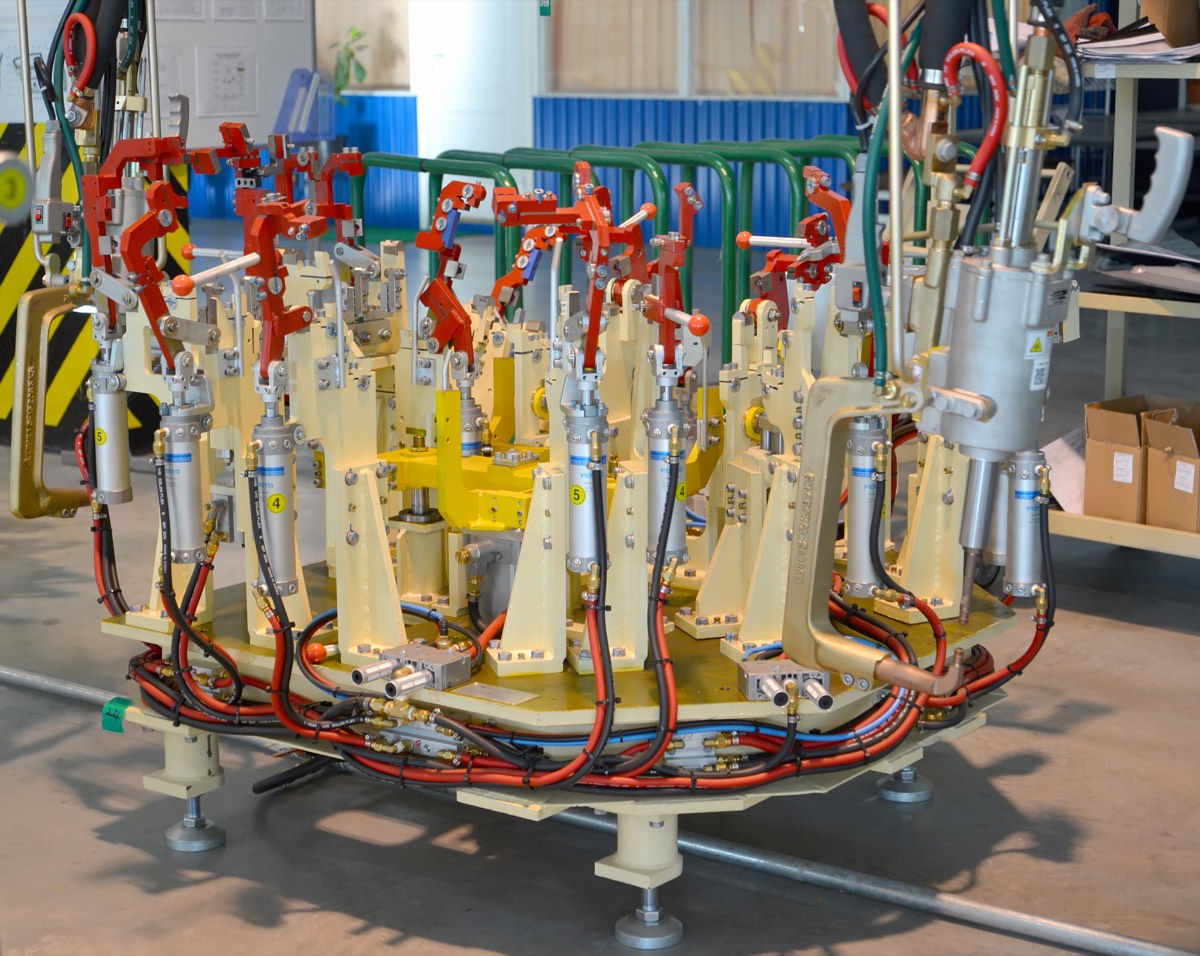
If your product is molded, stamped, or made with custom tooling, those molds are valuable IP in physical form, and ownership is frequently left undefined. When that happens, the factory often behaves as if the molds are theirs, especially if they paid for or built them.
That ambiguity becomes a crisis the day you want to switch suppliers. A factory holding your molds can hold your production hostage, refuse to release them, or use them to make units for others. Your manufacturing agreement should state clearly, in writing, that:
- you own the molds and tooling outright, even if the factory built them;
- the factory may use them only to make your products;
- the factory must return them on demand or at the end of the relationship; and
- the factory may not transfer, copy, or use them for any third party.
Mold ownership clauses are inexpensive insurance, and they are most effective as one layer alongside your trademark, patent, design, and trade-secret protections rather than on their own.
Recording your IP with US Customs to block counterfeits
Even with good registrations and contracts overseas, copies can still get made. Your last line of defense is the US border. Once you hold a federal trademark registration with the USPTO or a copyright registration with the US Copyright Office, you can record it with US Customs and Border Protection (CBP) through its online e-Recordation system.
Recording puts your IP into a database that CBP officers across all US ports of entry can see and target. CBP can then detain, seize, and ultimately destroy imported goods that infringe your recorded mark or copyright. Recordation fees are modest (currently $190 per international class per trademark registration, and $190 per copyright). A trademark recordation runs concurrently with the underlying USPTO registration term rather than continuing automatically, so when you renew the registration you also have to file a renewal with CBP, currently for a smaller fee, to keep the recordation in force (19 C.F.R. §§ 133.4, 133.7). Copyright recordations run for 20 years and are renewable the same way.
This tool is most relevant when you suspect counterfeiters, sometimes the very factory you used or its neighbors, are shipping fakes into the US. If you sell online, pair it with the platform-level protections covered in our guide to IP for Amazon and e-commerce sellers, since marketplaces and Customs address different parts of the same problem.
A pre-production checklist
Before the first sample ships, work through this list with qualified counsel:
- Search and file your trademark in the manufacturing country, plus your major sales markets. Do this first, and do it early.
- File patents and registered designs where you make and sell, before any public disclosure or sale.
- Put an NNN agreement in place (Non-Use, Non-Disclosure, Non-Circumvention), in the local language, under local law, with a real penalty clause, signed before you send files or samples.
- Nail down tooling and mold ownership in writing, including return and exit terms.
- Register your US trademark and copyright, then record them with CBP to block counterfeit imports.
- Limit what you disclose. Share only what each vendor needs, stage sensitive information, and keep your most critical know-how in-house where you can.
You will find related background under /topics/trademarks/.
The bottom line
Protecting your IP when manufacturing overseas is mostly about sequence. The cheapest, strongest protections all happen before production: register your trademark, patent, and design in the country where you are making the product, sign an NNN agreement instead of relying on a US NDA, lock down who owns the molds, and record your registrations with Customs to stop fakes at the border. Skip these and you can end up renting your own brand back from a squatter. Do them in order and you keep control of the business you built.
This article is general educational information about intellectual property, not legal advice, and it does not create an attorney-client relationship or constitute a solicitation. IP rules vary by country and change over time. For guidance on your specific situation, consult an attorney licensed in your jurisdiction.
Frequently asked questions
Does my US trademark protect me in China?
No. Trademark rights are territorial, so a US registration generally gives you no rights inside China. China is a first-to-file country, meaning whoever registers the mark there first usually owns it, even if you used it first elsewhere. To have enforceable rights against a Chinese factory or counterfeiter, you typically need to register your trademark in China itself, ideally before you start production.
What is an NNN agreement and why not just use my US NDA?
An NNN agreement is a China-focused contract covering Non-Use, Non-Disclosure, and Non-Circumvention. A standard US NDA usually only blocks disclosure, so a factory could legally copy your product and sell it themselves as long as they did not 'disclose' your information. A well-drafted NNN, written under the laws of the manufacturing country and often in that language, closes that gap. Have one drafted by an attorney familiar with that jurisdiction.
How do I stop counterfeit versions of my product from entering the US?
Once you hold a federal trademark or copyright registration, you can record it with US Customs and Border Protection through its e-Recordation system. CBP officers can then detain, seize, and destroy infringing imports at the border. It is a low-cost enforcement tool, but it only works if you have the underlying registration first.
